Maybe you have heard of viscose fiber, or you know it better as rayon, which is a common term for viscose fiber in the United States. But what is it actually?
Viscose fiber is a type of rayon. Originally called rayon, in the late 19th century, the term "rayon" came into effect in 1924 and was named "Viscose derived from the way the fiber is made"; a viscous organic liquid used in manufacturing Rayon and cellophane.
Here, we divide the viscose production process into 10 steps:
Sawdust is dissolved in chemicals such as sodium hydroxide to make brown wood pulp.
This cellulose-containing wood pulp is then dissolved in caustic soda to turn it into an alkaline solution. This process removes all impurities in the solution, making it a clean raw material for fabrics.
The alkaline solution is pressurized between the rollers to remove excess liquid to form a tablet.
These pressed tablets are then shredded into crumbs.
The bread crumbs are treated with carbon disulfide.
The treated debris is dissolved in chemicals such as sulfuric acid to form a viscous solution. The viscose process of "viscose" fabric or rayon gets its name from this viscous solution.
Filter the viscous solution to remove any undissolved elements
Next is degassing, which needs to eliminate air bubbles in the solution that may cause weak spots in the fibers.
The solution is then forced through a spinneret, a machine that makes regenerated cellulose filaments (thin filamentous fibers).
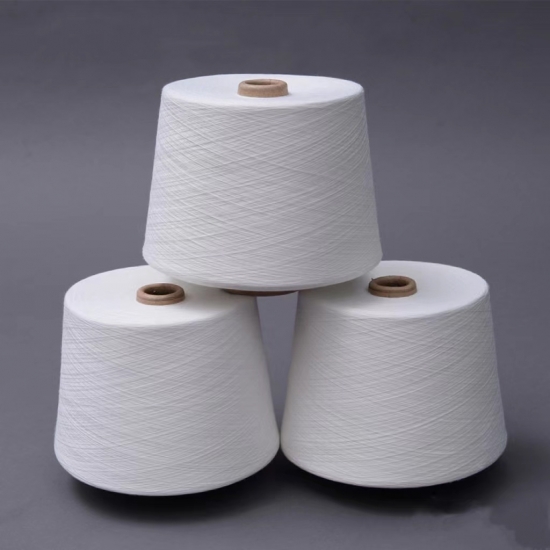
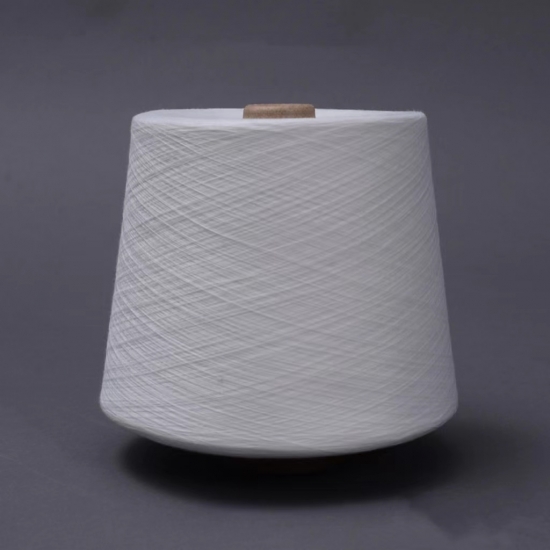
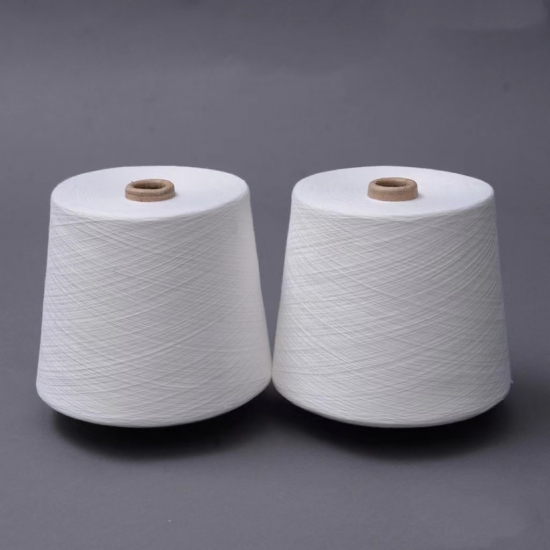
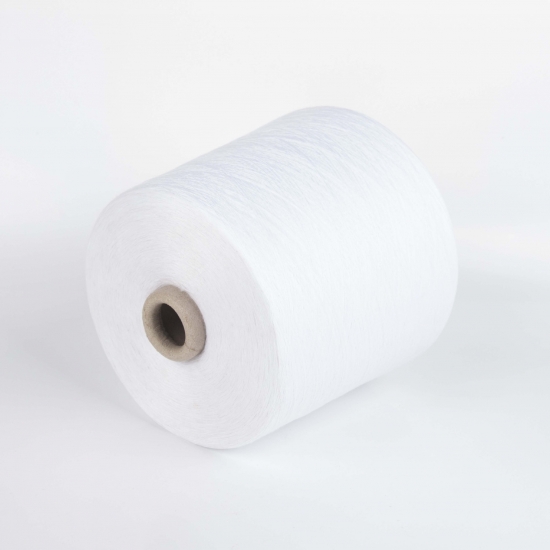
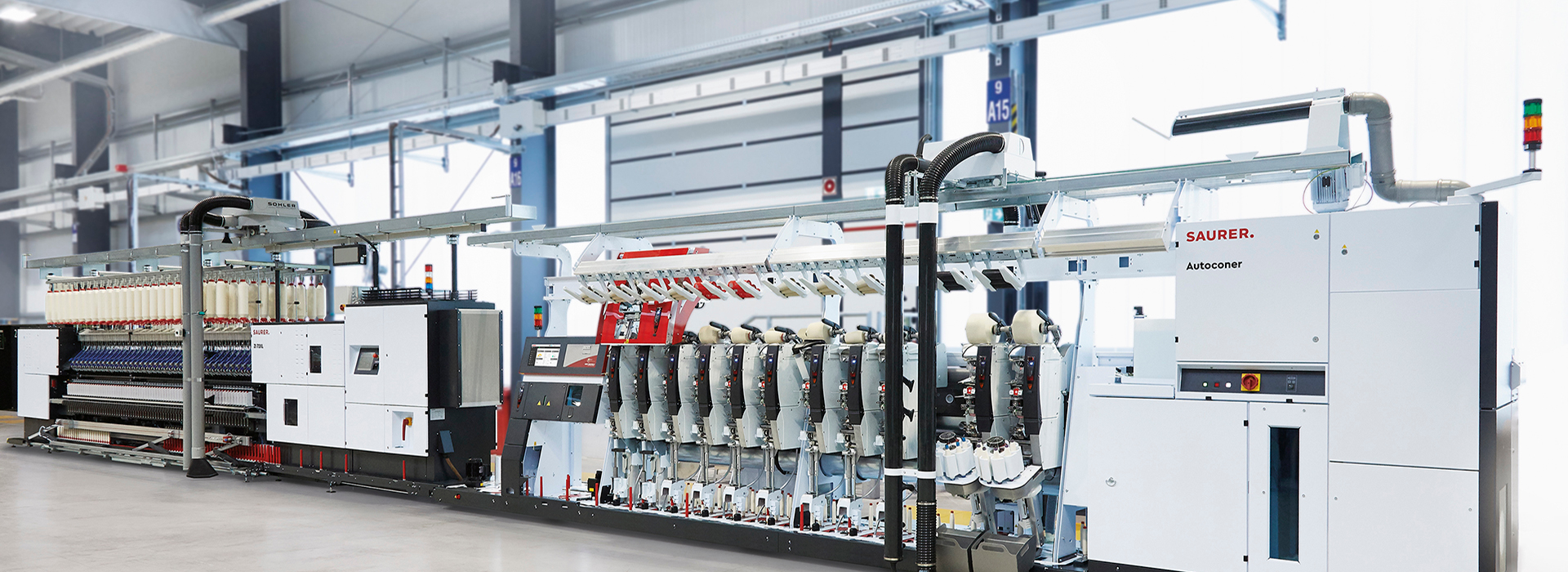
The regenerated cellulose fibers are then spun into yarns to be woven or knitted into viscose fabrics.
You can contact us about recycled polyester staple fiber, polyester yarn if you have any questions.
 ONLINE
 xinzino70@gmail.com